Puerto Rico
Puerto Rico became a United States Commonwealth in 1952, adopting its own constitution while remaining under U.S. sovereignty. The Island is home to approximately 3.2 million people, all of whom are U.S. citizens who serve in the U.S. military and use the U.S. dollar. Spanish and English are the official languages, reflecting Puerto Rico’s rich cultural blend and unique political status within the federal system.
The capital and largest city, San Juan, founded in 1521, is one of the oldest cities under U.S. jurisdiction. Puerto Rico is made up of 78 municipalities, each with its own local government, ranging from dense urban centers to rural and coastal communities across the Island.
Puerto Rico has a tropical climate, with warm temperatures year-round averaging about 82°F (28°C). The northern region tends to be more humid, while the southern region is drier. Like much of the Caribbean, the Island experiences an annual hurricane season. Its economy is driven by manufacturing and pharmaceutical industries, alongside tourism and service sectors that connect Puerto Rico to global markets.
Flag and Coat of Arms
Puerto Rico’s national symbols reflect the Island’s history, identity, and centuries-long connection to both the Caribbean and the broader Atlantic world.
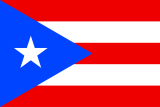
The flag of Puerto Rico was proclaimed in New York on December 22, 1895. Officially adopted in 1952, it stands today as a symbol of the Island’s unity, resilience, and cultural pride.
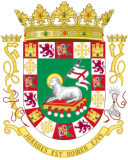
The Coat of Arms of Puerto Rico is one of the oldest heraldic symbols in continuous use in the Americas. Granted in 1511 to the colony of San Juan Bautista de Puerto Rico, it features the lamb and banner of Saint John the Baptist, the Island’s namesake.
Government of Puerto Rico

Puerto Rico’s government is modeled after that of a U.S. state, with an elected Governor who leads the executive branch and oversees agencies and public policy, a bicameral Legislature that drafts and passes laws and approves budgets, and an independent Judiciary that interprets the Constitution and resolves legal disputes. This structure is rooted in Puerto Rico’s Constitution, adopted in 1952, and reflects the U.S. system of separated powers and checks and balances. Together, these branches are designed to ensure democratic governance and limit the concentration of authority in any single part of government.

At the federal level, Puerto Rico is represented in Congress by a Resident Commissioner, its sole federal representative. The Resident Commissioner serves a four-year term, can introduce legislation, sit on committees, and participate in debates, but does not have a vote on the House floor. This unique role reflects Puerto Rico’s territorial status and differs from the full voting representation held by U.S. states.
Federal Relations with the United States
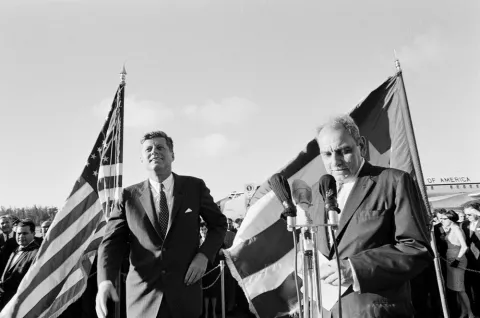
Puerto Rico’s role in the federal system differs from that of the states. The Island does not vote in presidential elections or elect U.S. Senators or voting Members of Congress, and is instead represented in the U.S. House of Representatives by the Resident Commissioner. Federal institutions operate on the Island much as they do in the states. Puerto Rico falls under the jurisdiction of the United States District Court for the District of Puerto Rico and hosts key U.S. military installations, including Fort Buchanan and Muñiz Air National Guard Base. The Island participates in major federal programs such as FEMA disaster response, Medicaid, Medicare, and the Children’s Health Insurance Program (CHIP), and is part of the U.S. customs zone, allowing travel without passports or customs clearance.
National Parks and Federally Recognized Sites
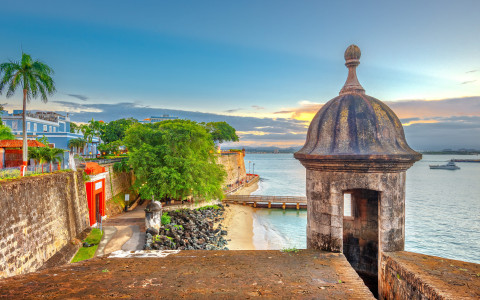
Puerto Rico is home to several nationally protected and federally recognized sites that showcase the Island’s natural beauty, history, and ecological significance. These include El Yunque National Forest, the only tropical rainforest in the U.S. National Forest System; the San Juan National Historic Site, which preserves historic fortifications such as Castillo San Felipe del Morro and Castillo San Cristóbal; and federally protected wildlife areas like the Vieques National Wildlife Refuge and Culebra National Wildlife Refuge, known for pristine beaches, coral reefs, and diverse wildlife. Together these sites reflect Puerto Rico’s unique role in preserving natural ecosystems and historic heritage.
Visiting Puerto Rico
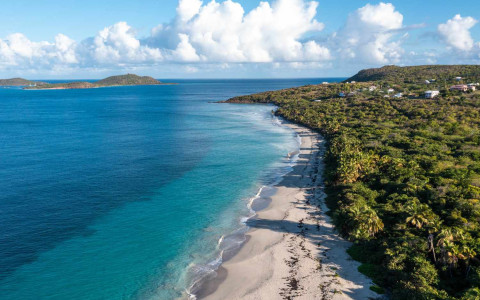
Puerto Rico is shaped by centuries of history, vibrant traditions, and striking coastal scenery. From the cobblestone streets and preserved Spanish-era fortifications of Old San Juan to historic plazas, lighthouse-dotted headlands, and beaches that ring the Island, Puerto Rico offers a rich sense of place and continuity. Visitors can explore landmark sites that reflect the Island’s strategic role in the Caribbean, enjoy performances of salsa and other Afro-Caribbean musical traditions in open-air venues, and sample cuisine shaped by generations of cultural exchange, creating an experience that is both educational and welcoming for travelers seeking heritage, recreation, and authentic local culture.
If you are looking for our District Office contact information, you can view our Offices page. If you have any questions, feel free to contact our office.
If you are interested in browsing district-specific population statistics, you can look up Census data for the District.